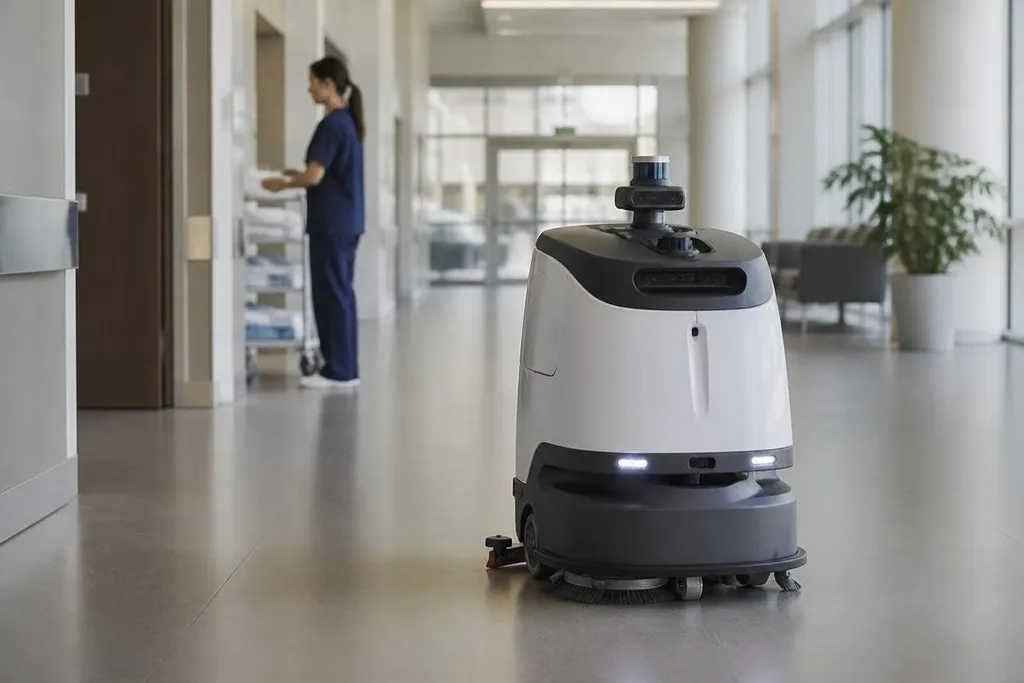
Understanding AI Automation
AI automation refers to the integration of artificial intelligence (AI) technologies with automation processes to enhance efficiency, reduce human error, and streamline operations. With the rapid evolution of technology, the incorporation of AI into various business sectors is becoming more prevalent, transforming the way organizations operate. As businesses increasingly adopt automated solutions, understanding the implications of AI automation is essential for staying competitive in today's fast-paced environment.
What is AI Automation?
At its core, AI automation combines traditional automation techniques — such as robotic process automation (RPA) — with advanced cognitive functionalities enabled by AI technologies. This synergy allows businesses to not only execute predefined tasks but also analyze data, learn from patterns, and make decisions in real time. AI automation extends beyond simple task execution; it encompasses a broader range of functionalities, including natural language processing, machine learning, and computer vision. Together, these elements enable systems to handle complex processes traditionally reliant on human intervention.
Key Components of AI Automation Systems
Understanding the critical components of AI automation systems is vital for any organization aiming to implement these solutions effectively:
- Robotic Process Automation (RPA): Acts as the backbone of automation, allowing software robots to mimic human actions in repetitive processes.
- Machine Learning (ML): Facilitates systems to learn from data and improve over time without explicit programming.
- Natural Language Processing (NLP): Enables machines to understand, interpret, and respond to human language in a valuable manner.
- Computer Vision: Allows systems to analyze and interpret visual data, enhancing automation capabilities in industries like manufacturing and logistics.
Benefits of Implementing AI Automation
The advantages of integrating AI automation into business operations are substantial. Here are some noteworthy benefits:
- Increased Efficiency: Automation streamlines processes, reducing the time taken to complete tasks and allowing resources to be allocated to more strategic initiatives.
- Cost Reduction: By minimizing the reliance on human labor for repetitive tasks, businesses can reduce operational costs significantly, while simultaneously increasing output.
- Improved Accuracy: AI systems, when correctly trained, can perform tasks with a level of accuracy surpassing that of humans, particularly in data processing and error-sensitive operations.
- Enhanced Decision-Making: AI automation facilitates data-driven decision-making by analyzing vast amounts of information quickly, providing insights that would be challenging for humans to interpret alone.
Applications of AI Automation in Business
The integration of AI automation spans a variety of sectors, each benefiting uniquely from its capabilities. Below are some notable applications:
Streamlining Customer Service Operations
AI-driven chatbots and virtual assistants are revolutionizing customer service. These tools provide 24/7 support, handling inquiries ranging from simple FAQs to complex technical issues. By automating customer interactions, businesses can improve response times and enhance customer satisfaction, leading to increased loyalty and retention.
Enhancing Data Analysis and Reporting
Companies generate vast amounts of data daily. AI automation tools can provide powerful insights by aggregating and analyzing this data much quicker than traditional methods. For instance, finance departments use AI to automate financial reporting, helping to identify trends and anomalies promptly.
Optimizing Supply Chain Management
In supply chain management, AI automation helps optimize logistics by predicting demand, managing inventory levels, and automating procurement processes. This leads to reduced costs and improved efficiency throughout the supply chain.
Challenges of AI Automation Adoption
Despite its benefits, several challenges may arise during the adoption of AI automation in business processes. Organizations need to be aware of these hurdles to navigate them successfully.
Common Misconceptions about AI Automation
There are several myths surrounding AI automation that could deter businesses from implementation. One common misconception is that automation will completely replace human jobs. In reality, AI automation is intended to augment human capabilities, letting employees focus on higher-value tasks and improving job satisfaction.
Overcoming Resistance to Change in Organizations
Resistance from employees can be a significant barrier to adopting AI automation. Effective change management strategies, including training and communication, are crucial to alleviate fears and build a culture that embraces innovation.
Strategies to Mitigate Implementation Risks
To reduce the risks associated with AI automation implementation, organizations should undertake the following strategies:
- Conduct Thorough Research: Understand industry best practices and the specific needs of your organization before implementing AI solutions.
- Start Small: Begin with pilot projects to test the feasibility of AI automation in your workflows.
- Ensure Robust Data Governance: Protect data integrity throughout AI processes by establishing compliance and governance frameworks.
Best Practices for Integrating AI Automation
Integrating AI automation into existing business frameworks requires a strategic approach to maximize its benefits effectively.
Choosing the Right Tools and Technologies
Selecting the appropriate AI tools is critical to successful automation. Businesses should evaluate options based on scalability, compatibility with existing systems, and the specific automation needs they aim to address.
Creating a Culture of Innovation and Agility
Fostering an innovative culture is essential for the successful adoption of AI automation. Encouraging collaboration and communication across departments can lead to new ideas and improved implementations.
Measuring Success and ROI from Automation
To justify the investment in AI automation, it is vital to have clear metrics for measuring success. Key performance indicators (KPIs) should be identified to evaluate the efficiency and effectiveness of automated processes, ensuring that the organization can make data-driven adjustments as necessary.
Future Trends in AI Automation for 2026 and Beyond
The landscape of AI automation continues to evolve rapidly, and staying ahead requires awareness of the emerging trends shaping its future.
Emerging Technologies Shaping AI Automation
Technologies such as blockchain, Internet of Things (IoT), and advanced analytics are set to play a significant role in the expansion of AI automation capabilities. These technologies can enhance data integrity, improve operational transparency, and provide richer insights.
Predictions for AI Automation in Various Industries
As AI automation advances, it is expected that industries such as healthcare, finance, and manufacturing will experience transformative changes. For example, in healthcare, AI can assist in predictive analytics for patient care, while in finance, it can optimize risk management and fraud detection processes.
The Role of AI Ethics in Future Automation Strategies
As automation becomes more prevalent, ethical considerations surrounding AI implementations are increasingly important. Organizations must establish ethical frameworks to govern the use of AI, ensuring that automation decisions consider social impacts and stakeholder perspectives.
How is AI Automation Reshaping Job Markets?
As AI automation continues to evolve, job markets will also shift. While certain roles may diminish, new opportunities will emerge that require a blend of technological proficiency and human skills. Upskilling and reskilling programs will be essential to equip the workforce for this new landscape.